Canadian
Big Game Hunting & Fishing

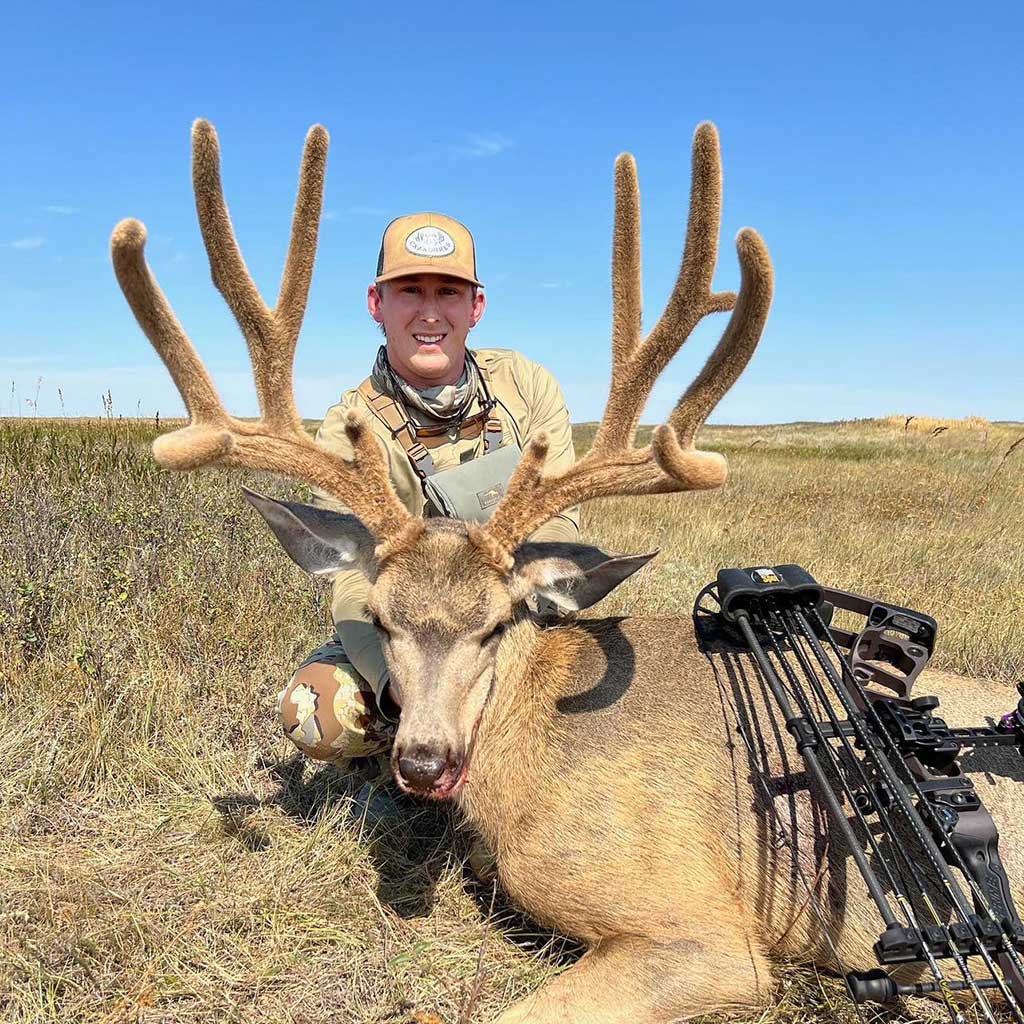
Rifle mule deer and whitetail combo hunts, Single whitetail only rifle hunts, Archery mule deer, Mule deer archery hunts run from Sept 1-Oct 31, 6 day 1x1 hunts.
Are you a Big Game Hunting or Fishing Outfitter or Guide Service and want to advertise on this page. Click the link below and send us a message we would love to work with you.
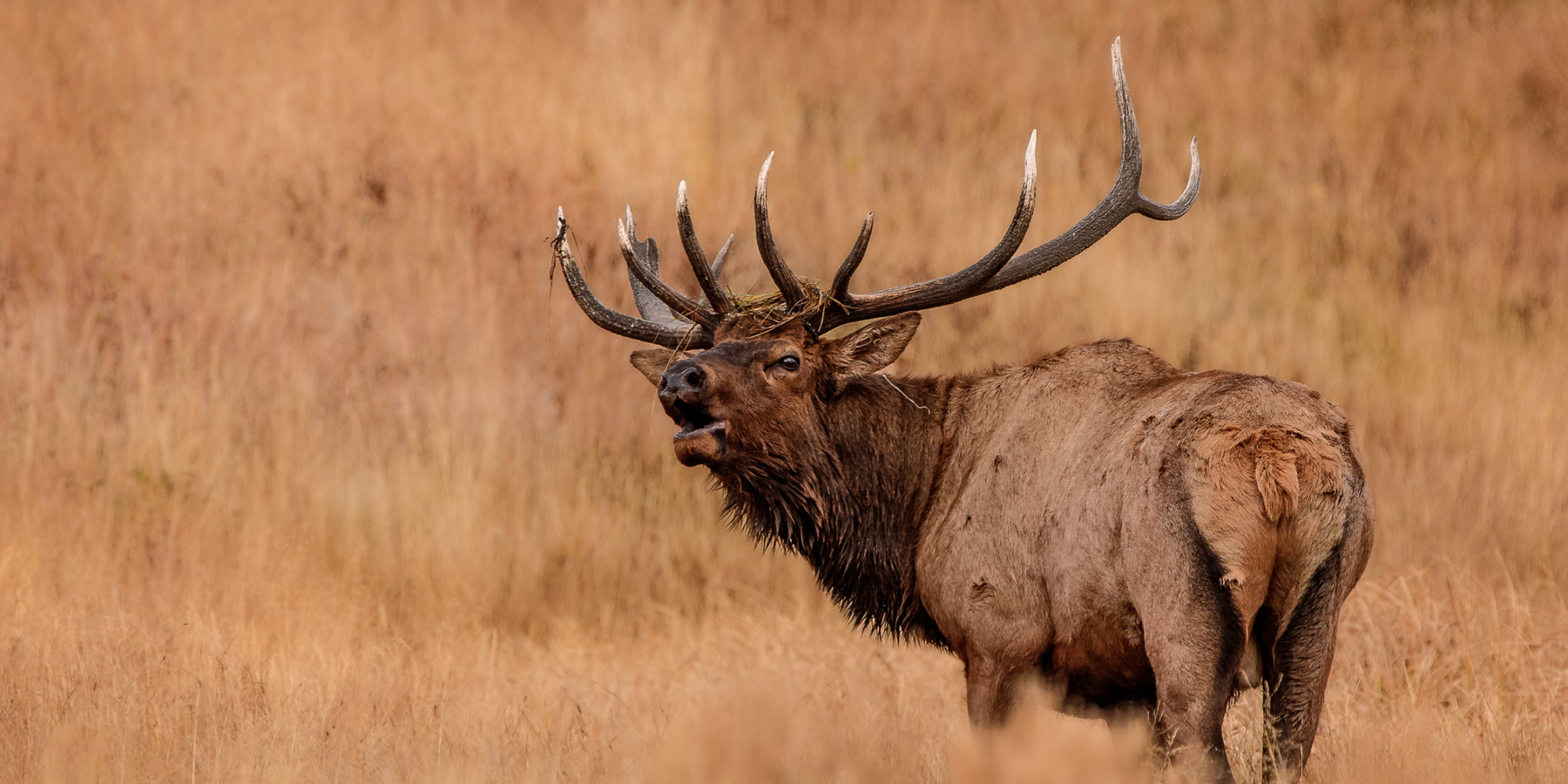
Canada is a world-renowned destination for big game hunting and freshwater fishing, and our professional hunting and fishing guides & outfitters deliver unforgettable, high-success outdoor experiences. From trophy black bear and moose hunts in the rugged wilderness to world-class walleye, pike, and salmon fishing in pristine lakes and rivers, Canada offers endless opportunities for sportsmen and women. Whether you’re a seasoned hunter or a first-time angler, licensed Canadian outfitters provide expert guidance, quality equipment, and access to some of the most productive areas in the country.
Canada’s diverse terrain is home to some of the most sought-after big game species in North America. Our experienced hunting guides specialize in guided moose hunts, black bear hunts, whitetail deer, caribou, and even wolf hunting, depending on the province and season. Outfitters in Canada offer customizable packages, including fully guided and semi-guided hunts, fly-in remote camps, and lodge-based accommodations. With strong populations and vast hunting zones, Canada remains a top choice for trophy hunting adventures.
Canada’s freshwater fishing is second to none, with legendary waters that attract anglers from around the globe. Whether you're targeting giant northern pike, trophy walleye, lake trout, or wild Pacific salmon, Canadian fishing guides know where to find the action. From guided float trips and boat charters to remote fly-in fishing lodges, outfitters in Canada provide expert instruction, gear, and access to untouched waters teeming with fish. Summer and fall are prime seasons, and many outfitters also offer ice fishing in winter for an authentic northern adventure.
From BC's wild steelhead rivers to Saskatchewan's trophy whitetails — find the right Canadian province for your guided adventure
BC is one of Canada's most diverse hunting and fishing destinations. World-class steelhead and salmon fishing on the Skeena, Dean, and Fraser rivers attract fly anglers from around the globe. Big game hunters come for grizzly bear, black bear, moose, mountain goat, Stone sheep, and mule deer on vast wilderness areas. Coastal salmon and halibut charter fishing adds a saltwater dimension few provinces can match.
Species: Steelhead, Salmon, Grizzly bear, Moose, Stone sheep
Alberta is Canada's premier big game destination, famous for trophy whitetail deer, mule deer, elk, moose, and black bear. The foothills and eastern prairies hold incredible deer populations, while the Rocky Mountain foothills offer backcountry elk and sheep hunts. Alberta's lakes and rivers deliver excellent walleye, pike, and perch fishing, particularly in the north.
Species: Whitetail deer, Elk, Mule deer, Walleye, Pike
Saskatchewan is world-renowned for trophy whitetail deer hunting — producing some of the largest bucks on the continent year after year. The province also offers exceptional waterfowl hunting with massive mallard, Canada goose, and snow goose migrations. Walleye and pike fishing in northern Saskatchewan lakes is among the best in North America.
Species: Trophy whitetail, Waterfowl, Walleye, Pike — Year-round
Manitoba is a bucket-list destination for walleye and pike anglers, with remote fly-in lodge fishing on pristine northern lakes. The province also draws big game hunters for whitetail deer, black bear, and moose. Manitoba's position on the Central Flyway makes it an outstanding waterfowl destination for ducks and geese during fall migration.
Species: Walleye, Pike, Black bear, Whitetail, Waterfowl
Ontario offers an incredible range of guided hunting and fishing experiences. Moose, black bear, whitetail deer, and turkey hunting are all popular with guided outfitters. On the water, Ontario is legendary for walleye, muskie, smallmouth bass, lake trout, and brook trout. Remote fly-in lodges in Northern Ontario provide access to untouched fisheries and wilderness hunting camps.
Species: Moose, Black bear, Walleye, Muskie, Lake trout
The Yukon and NWT represent the ultimate wilderness hunting experience in North America. Dall sheep, Stone sheep, grizzly bear, caribou, moose, and mountain goat hunts are available through licensed outfitters in remote wilderness areas. Arctic grayling and lake trout fishing are legendary. These are fly-in, expedition-style adventures suited to serious hunters and anglers.
Species: Dall sheep, Caribou, Grizzly, Arctic grayling — Fly-in
Quebec is Canada's top destination for woodland caribou and moose hunting, with vast boreal forest wilderness and world-class outfitter camps. Atlantic salmon fishing on Quebec's iconic Gaspé Peninsula and the Matapédia River draws fly fishers from around the world. Black bear, whitetail deer, and ruffed grouse hunting round out an impressive lineup of guided opportunities.
Species: Caribou, Moose, Atlantic salmon, Black bear
Newfoundland and Labrador offer some of the most unique hunting and fishing in Canada. Newfoundland moose hunting is world-famous — the island holds one of the highest moose densities on the continent. Atlantic salmon and brook trout fishing on remote Labrador rivers is a bucket-list experience. Woodland caribou and black bear hunting add to an exceptional lineup of guided adventures.
Species: Moose, Caribou, Atlantic salmon, Brook trout
Find the right Canadian guide or outfitter for your target species — from trophy whitetails to remote caribou and world-class salmon
Canada is the moose hunting capital of the world. Ontario, Quebec, Newfoundland, BC, and Alberta all hold strong moose populations with active outfitter operations. Guided moose hunts are typically run September through November using calling, stalking, and float trip techniques. Non-resident hunters must be accompanied by a licensed guide in most provinces.
Type: Big game — Season: Sep–Nov — Guide required
Saskatchewan and Alberta consistently produce Boone & Crockett class whitetail bucks, drawing serious trophy hunters from across North America and internationally. Alberta's river bottom country and Saskatchewan's agricultural land edges are legendary. Mule deer are hunted extensively in Alberta and BC. Rifle and archery seasons run September through November depending on the province.
Type: Trophy deer — Season: Sep–Nov — Alberta & Saskatchewan
Canada offers some of the best black bear hunting in the world with large populations across every province and territory. Spring baited hunts are the most popular format, running May through June when bears are actively feeding after hibernation. Fall spot-and-stalk hunts over agricultural areas are also popular in Alberta and Saskatchewan. Color phase bears are regularly taken by Canadian outfitters.
Type: Big game — Season: May–Jun (spring) — All provinces
Barren ground and woodland caribou hunting in Canada is a true wilderness adventure. Quebec, Labrador, Nunavut, the NWT, and the Yukon all offer guided caribou hunts in remote, fly-in areas. Hunts are typically run August through October. Caribou herds can number in the hundreds of thousands, and multiple animals are often included in a single outfitter package.
Type: Big game — Season: Aug–Oct — Fly-in wilderness
Canada is home to four species of wild sheep — Dall, Stone, Rocky Mountain bighorn, and California bighorn — making it the only country where a Grand Slam of North American sheep is achievable. BC and the Yukon are the primary destinations. These are physically demanding, high-cost backcountry hunts with limited outfitter availability.
Type: Sheep slam — BC & Yukon — Season: Aug–Oct
Canada's northern lakes are legendary for trophy walleye and northern pike. Saskatchewan, Manitoba, Ontario, and Alberta all offer remote lodge and fly-in fishing for both species. Pike over 40 inches and walleye over 28 inches are regularly caught. Ice fishing in winter adds a unique dimension with many Canadian lodges operating year-round on the same waters.
Type: Freshwater — Year-round — Fly-in lodges available
British Columbia's rivers are world-famous for Pacific salmon — Chinook, coho, pink, sockeye, and chum — as well as wild steelhead that draw fly fishers from every corner of the globe. The Skeena, Dean, and Thompson rivers are bucket-list destinations. Atlantic salmon fishing in Quebec, New Brunswick, and Newfoundland is equally iconic, with some rivers open only to fly fishing.
Type: BC rivers & Atlantic salmon — Season: Jun–Oct
Canada is the breeding ground for the majority of North America's ducks and geese, making it the ultimate waterfowl hunting destination. Saskatchewan's prairies are legendary for mallard and Canada goose hunting. Manitoba sits on both the Central and Mississippi flyways. Snow goose conservation hunts run spring and fall with no bag limits across the prairies.
Type: Waterfowl — Prairie flyway — Season: Sep–Nov
Everything American and international hunters and anglers need to know before booking a Canadian guided trip
Most provinces require non-resident big game hunters to be accompanied by a licensed guide. Booking a reputable outfitter first simplifies every other step — they'll advise on licenses, tags, border crossing, and regulations specific to your province and species.
Each province issues its own non-resident hunting license and species-specific tags. Some tags — particularly for moose, elk, and caribou — are draw-based with limited availability. Apply as early as possible, often 6–12 months before your hunt. Your outfitter can assist with the application process.
All firearms must be declared when entering Canada. Complete the Non-Resident Firearm Declaration form (CAFC 909) at the border crossing. There is a fee for this declaration. Handguns and prohibited firearms are not allowed. Bring no more than 5,000 rounds of ammunition. Allow extra time at the border for firearm processing.
A valid US passport or passport card is required to enter Canada and re-enter the United States. A driver's license alone is not sufficient. Ensure your passport does not expire during your trip. US citizens with certain criminal convictions — including DUIs — may be denied entry into Canada regardless of the purpose of travel.
Bringing harvested game and fish back into the US requires compliance with both Canadian export regulations and US Fish and Wildlife Service import rules. Meat, antlers, hides, and skulls are generally allowed with proper documentation. Some species require CITES documentation. Your outfitter will walk you through the paperwork for your specific harvest.
Travel insurance is strongly recommended for any Canadian hunting or fishing trip — especially fly-in remote expeditions where weather delays and medical evacuations can be costly. Many outfitters also recommend trip cancellation insurance given the cost of Canadian guided packages. Confirm your health insurance covers medical emergencies in Canada before you travel.
| Province | Guide required for big game? | Top non-resident species |
|---|---|---|
| British Columbia | Required — 1:1 ratio | Grizzly, moose, mule deer, Stone sheep, elk |
| Alberta | Required for big game | Whitetail deer, mule deer, elk, black bear |
| Saskatchewan | Required for big game | Trophy whitetail, mule deer, black bear, waterfowl |
| Manitoba | Required for big game | Whitetail deer, moose, black bear, waterfowl |
| Ontario | Required for big game | Moose, black bear, whitetail deer, turkey |
| Quebec | Required for big game | Moose, caribou, black bear, whitetail |
| Yukon | Required — 1:1 ratio | Dall sheep, grizzly, caribou, moose |
| Northwest Territories | Required — 1:1 ratio | Barren ground caribou, grizzly, muskox |
| Newfoundland | Recommended | Moose, caribou, black bear |
Everything you need to know about hunting and fishing with Canadian guides and outfitters
Be the first to read about our new arrivals, latest interviews, and newsletter exclusives by signing up below.